When it comes to choosing a gemstone for an engagement ring or fine jewelry, most people immediately think of diamonds. However, moissanite has emerged as a popular alternative, offering similar brilliance at a fraction of the cost. While both stones are stunning in their own right, understanding the key differences between moissanite and diamond can help buyers make a more informed and meaningful decision.
Origin and Composition
Diamonds are composed of carbon and are formed naturally under high-pressure, high-temperature conditions deep within the Earth. Natural diamonds can take billions of years to form, though lab-grown diamonds are chemically identical and created in a controlled environment within weeks.
Moissanite, on the other hand, is made of silicon carbide. Originally discovered in a meteor crater by French chemist Henri Moissan in 1893, natural moissanite is extremely rare. Today, nearly all moissanite vs diamond Though it is not a diamond simulant like cubic zirconia, moissanite is often used as a diamond alternative due to its similar appearance.
Brilliance and Sparkle
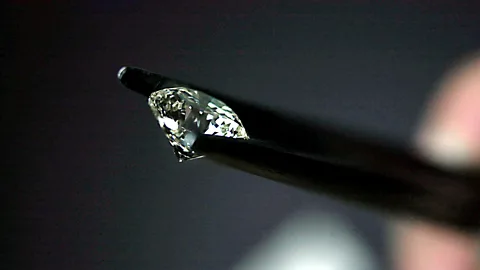
One of the most noticeable differences between moissanite and diamond is how they reflect light.
Moissanite has a higher refractive index (2.65 – 2.69) than diamond (2.42), which means it bends light more and can appear more sparkly, especially under direct light. It exhibits a fire—flashes of rainbow-colored light—that is more intense than that of a diamond. Some people love this extra fire, while others find it too flashy or unnatural.
Diamonds are renowned for their classic brilliance and subtle fire. Their sparkle is generally more subdued and elegant compared to moissanite. For those seeking a traditional look, diamonds may be the preferred choice.
Hardness and Durability
On the Mohs scale of hardness, diamonds score a 10, making them the hardest natural material known. This exceptional hardness makes diamonds extremely durable and resistant to scratching—ideal for everyday wear.
Moissanite ranks at 9.25, making it the second hardest gemstone used in jewelry. While not quite as hard as a diamond, moissanite is still highly durable and well-suited for daily wear. It’s a practical choice for those looking for longevity without the premium diamond price.
Price and Value
One of the most significant differences between the two stones is cost.
Moissanite is considerably more affordable than diamonds. A high-quality 1-carat moissanite might cost a few hundred dollars, while a similarly sized diamond can range from a few thousand to tens of thousands, depending on the cut, clarity, color, and carat.
Diamonds, particularly natural ones, are expensive due to their rarity and the costs involved in mining and cutting them. Even lab-grown diamonds, while cheaper than natural stones, are still significantly pricier than moissanite.
Ethical and Environmental Impact
As consumer awareness of ethical sourcing grows, the origins of gemstones have become a key factor in purchase decisions.
Moissanite, being lab-created, man made diamonds, typically has a lower environmental and ethical impact. It doesn’t involve destructive mining processes and offers traceable sourcing.
Diamonds, especially natural ones, have historically been associated with environmental degradation and conflict financing (i.e., “blood diamonds”). Although many diamonds now come with conflict-free certifications, concerns still persist in some regions.
Conclusion
Both moissanite and diamond offer beauty, brilliance, and durability, but they cater to different priorities. Diamonds remain the timeless, traditional choice for many, symbolizing rarity and status. Moissanite, meanwhile, appeals to modern, budget-conscious, and ethically-minded buyers who still want a dazzling stone.
Ultimately, the decision between moissanite and diamond comes down to personal values, aesthetic preferences, and budget. No matter the choice, both stones can make for a stunning, lasting piece of jewelry.