Diamonds have long captivated human imagination, symbolizing luxury, romance, and enduring beauty. Among the most coveted and rare are diamantes rosados, or pink diamonds, whose delicate hues evoke a sense of elegance and exclusivity. In recent years, however, the landscape of fine jewelry has been transformed by innovation, particularly through the emergence of man made diamonds. These lab-grown gems are revolutionizing the industry, offering a sustainable and accessible alternative to natural stones. This article explores the unique charm of diamantes rosados, the scientific marvel of man made diamonds, and the ways these two phenomena intersect in modern jewelry.
Understanding Diamantes Rosados
Diamantes rosados are some of the rarest diamonds in the world. Their subtle pink tones range from soft blush to intense fuchsia, a result of structural anomalies within the diamond’s crystal lattice. Unlike traditional colorless diamonds, the pink hue is naturally occurring, making these stones highly prized by collectors and enthusiasts alike.
The origin of pink diamonds is largely linked to famous mines such as the Argyle mine in Australia, which, until its closure in 2020, produced the majority of the world’s supply. The rarity of diamantes rosados drives both their desirability and their market value, often commanding higher prices per carat than even white diamonds. For those seeking a truly unique gemstone, a pink diamond is considered the ultimate statement piece.
The Science Behind Man Made Diamonds
While natural diamonds, including diamantes rosados, are formed over millions of years deep within the Earth, man made diamonds are created in controlled laboratory environments. These diamonds share the same chemical composition, crystal structure, and optical properties as their natural counterparts, making them virtually indistinguishable without advanced testing.
There are two primary methods for producing man made diamonds: High Pressure High Temperature (HPHT) and Chemical Vapor Deposition (CVD). HPHT mimics the natural conditions under which diamonds form, applying extreme pressure and temperature to carbon sources. CVD, on the other hand, involves depositing carbon atoms onto a substrate layer by layer, gradually forming a diamond crystal. Both techniques have advanced significantly in the last decade, enabling the production of high-quality gemstones in a variety of colors, including pink.
Diamantes Rosados vs. Man Made Diamonds
The conversation around diamantes rosados often leads to comparisons with man made diamonds, particularly as lab-grown pink diamonds become more accessible. While natural pink diamonds are unmatched in rarity and history, lab-created stones offer several advantages.
Firstly, man made diamonds provide ethical and environmental benefits. Mining natural diamonds, especially rare colors like pink, can have significant ecological and social impacts. Lab-grown alternatives reduce the need for mining, cutting down on habitat destruction and energy-intensive extraction processes.
Secondly, man made diamonds are often more affordable than natural diamantes rosados, allowing a broader audience to experience the beauty of pink diamonds without the prohibitive price tag. These lab-grown stones can be customized in terms of size, clarity, and even hue intensity, offering a level of precision that natural diamonds cannot match.
Applications in Jewelry
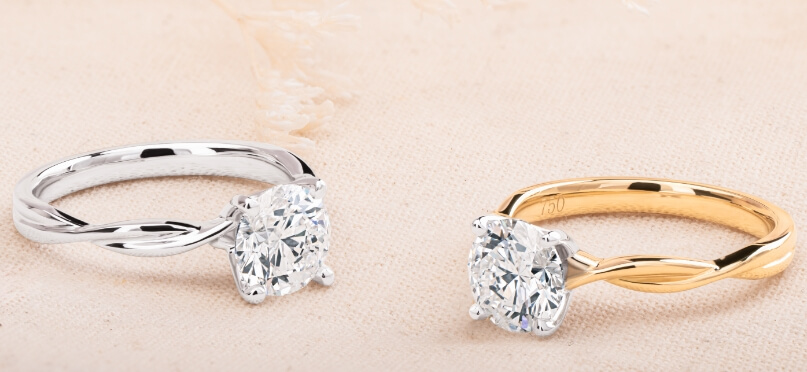
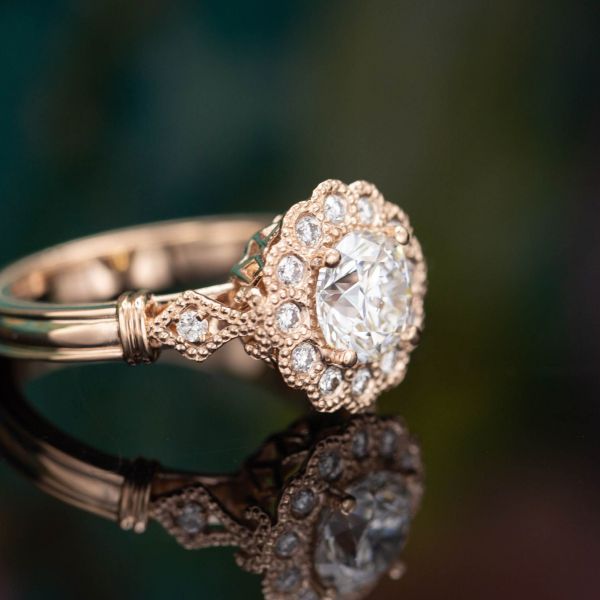
Both diamantes rosados and man made diamonds have found their place in contemporary jewelry design. Traditional jewelers continue to use natural pink diamonds in high-end engagement rings, necklaces, and earrings, where rarity and provenance are key selling points. The unique color of diamantes rosados complements a wide range of metals, from classic platinum to rose gold, enhancing their romantic appeal.
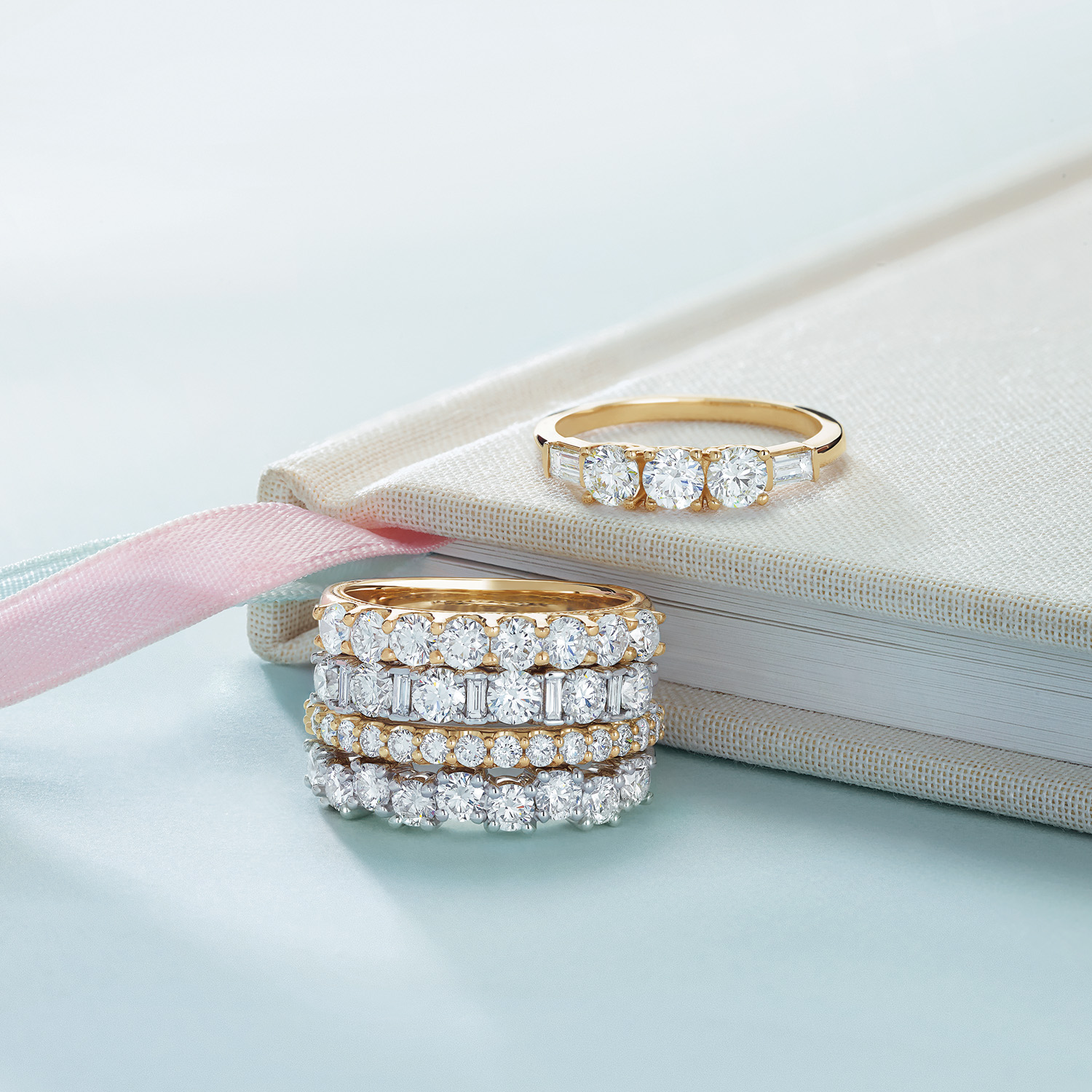
Meanwhile, man made diamonds have opened new possibilities for designers seeking sustainability without compromising on quality. Lab-grown pink diamonds can be incorporated into statement pieces, bridal jewelry, or even avant-garde designs. Their availability and ethical appeal resonate with younger consumers who prioritize environmental responsibility alongside luxury.
The Future of Pink Diamonds
The future of diamantes rosados and man made diamonds is intertwined with technological advancements and shifting consumer values. As awareness of ethical sourcing grows, man made diamonds are gaining prominence, offering a responsible alternative to mined stones while maintaining the same aesthetic appeal.
However, natural pink diamonds will always hold a special allure. Their rarity and natural origin make diamantes rosados a symbol of exclusivity and timeless elegance. Collectors and investors continue to prize these gemstones, and their value is expected to remain strong due to scarcity.
At the same time, the technological refinement of man made diamonds ensures that lab-grown pink diamonds will continue to rise in popularity. With ongoing innovations, these stones may achieve even more precise hues and superior clarity, potentially rivaling the most exquisite natural diamantes rosados.
Conclusion
Diamantes rosados represent the pinnacle of luxury, rarity, and natural beauty in the world of gemstones. Their delicate pink hues and storied origins make them highly sought-after treasures. In parallel, man made diamonds have transformed the industry, providing ethical, affordable, and customizable alternatives that democratize access to colored diamonds, including pink varieties.
Together, these two types of diamonds illustrate the dynamic nature of the jewelry market. While diamantes rosados continue to captivate with their natural charm and exclusivity, man made diamonds showcase human ingenuity and sustainability. Whether choosing a rare natural pink diamond or a lab-grown marvel, one thing is clear: the timeless allure of pink diamonds—natural or man-made—remains as enchanting as ever.