
Suddenly, diamond buyers are paying attention to something different. A growing number now pick diamonds grown in labs instead of digging them up. This change? It boils down to basics. Lab versions match natural ones atom by atom – same sparkle, same hardness – yet cost less and trace back more honestly. Scientists build these gems inside high tech chambers where conditions stay exact. Deep underground, nature squeezes carbon into gems over millions of years. Lab versions follow that same path, just faster. What you get is no imitation – it’s the actual material. When choices blur together, clarity matters most. Looks alone won’t tell the full story. Experts measure traits like color and purity. Value sticks around when quality runs deep.
Lab Grown Diamonds How They Are Made
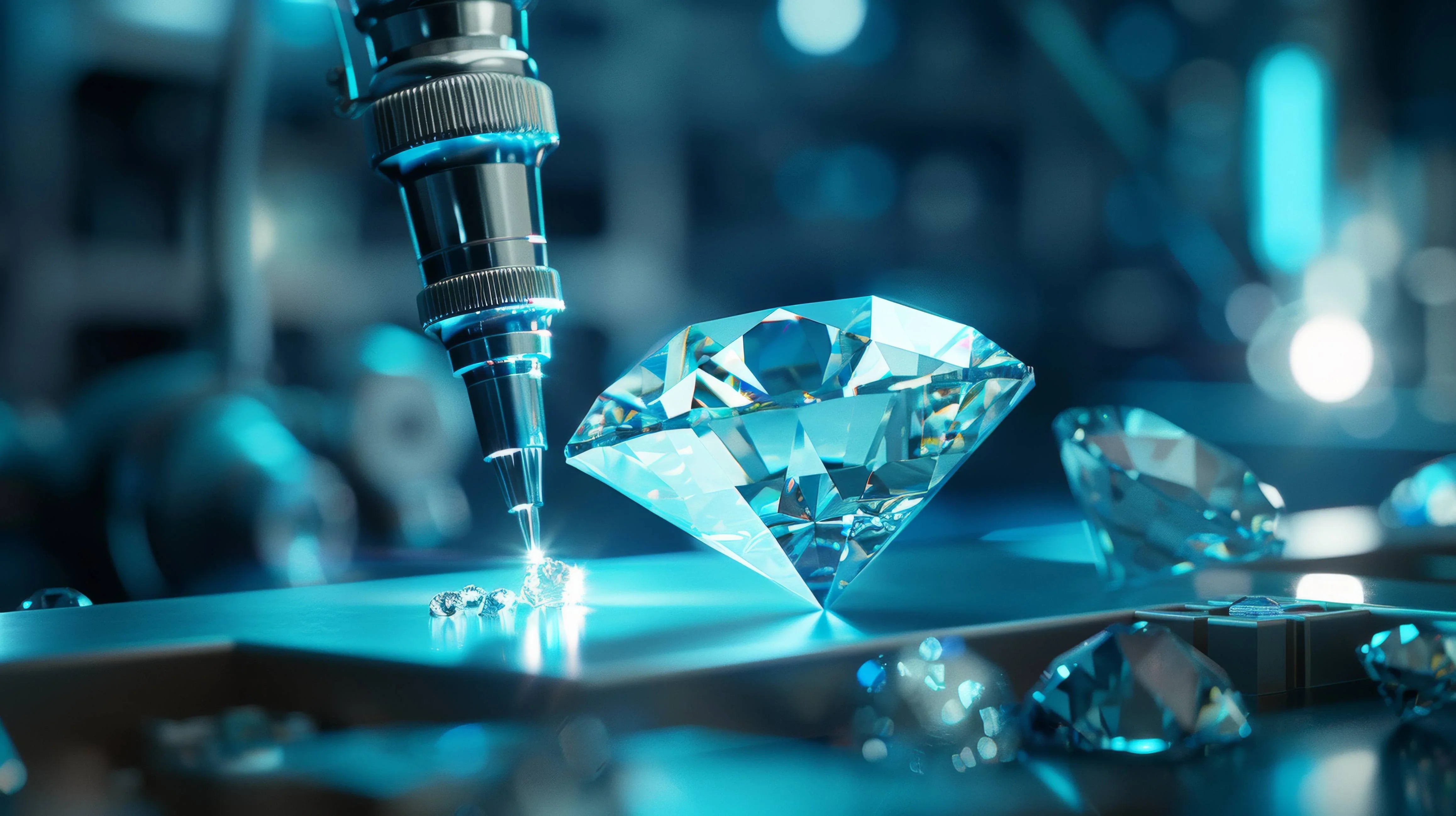
One way to make these diamonds involves high pressure, another uses a gas process instead. Slight differences show up in the finished stone, yet either method results in genuine diamonds.
High Pressure High Temperature
Under ground-level pressures, carbon begins its shift into something harder. From there, intense heat pushes the change further, not speed but force matters here. One company drops a tiny crystal into the mix, letting time do most of the work. Weeks pass before any real shape appears, shaped by weight and warmth alike.
Chemical Vapor Deposition
A gas-filled room makes the start of this process. Heat splits carbon-heavy gas, letting loose individual carbon bits that settle on a starter crystal. Over time, one tiny coat after another piles into what becomes a complete diamond. Stones from both ways handle regular diamond checks just fine. Without close tools, spotting which came from ground versus machine isn’t possible.
Why Certification Still Matters
Fake it till you make it? Not here – lab diamonds are genuine, yet worth hinges on how they’re judged. That worry you had earlier, comparing GIA to IGI? It matters more than expected. What backs a stone’s truth isn’t hope – it’s paper. Proof spells out what hides inside the sparkle
- Cut quality
- Color grade
- Clarity level
- Carat weight
Guessing happens when there’s no certification. A clear benchmark appears once it’s in place. Strict assessments define how GIA works. Lab grown diamonds often carry IGI labels, recognized across sellers. Trust shifts depending on which one backs the stone. Price changes quietly follow that decision. For those leaning toward strict evaluation standards, gia vs igi tends to be the go-to choice. When wider access matters more than prestige, plus a touch of savings helps, IGI shows up frequently instead.
Lower Prices But Still High Quality
Laboratory grown diamonds attract buyers mainly because they’re easier on the wallet. Often, prices drop between thirty and fifty per cent when set beside natural stones that match in size and clarity – yet the sparkle stays just as bright. What shifts is how it reaches the market: fewer hands involved, tighter oversight. Take a one carat natural diamond priced at five thousand dollars; its lab version typically asks for much less. Spending around two thousand five hundred dollars might get you a lab-created version. Because of the lower cost, picking a clearer stone or going bigger fits easier into what you planned to spend.
Do They Last Through Everyday Wear
Sure. Rating a 10 on the Mohs scale – same as earth-mined stones – these gems shrug off scrapes. Daily use? No issue. Rings meant for proposals, dangling earrings, delicate necklaces – they fit right in. Origin sets them apart, nothing else. Performance stays identical.
Resale and Long Term Value
Here’s something worth considering. Because lab grown stones are created on demand, their availability never runs short – unlike natural ones pulled from the earth. That steady flow means values tend to drop instead of rise. Over time, selling one later might bring far less than expected. When building long term worth matters most, that makes a difference. Suppose you just want something to enjoy every day. Take wearing a diamond, say. Looks matter. So does price. What others might pay later? Not on your mind. A lab grown one fits that need just fine.
Selecting Your Preferred Diamond
What really counts for you when making a choice? Start by thinking about your own needs first
- Finding a top notch gem at the smallest cost – could that be what you’re after? A solid rock, fine work, yet light on wallet. Might it sit right with your plans? Sharp look without heavy spending. Is that the goal?
- Do you care about resale value
- Maybe you lean toward one label more than another – GIA, say, or IGI
- A stone worn every day faces more knocks. Or maybe it sits safe till a birthday lights up the room. Tougher settings suit routines that never quit. Delicate styles wait quietly for moments worth marking
Whichever way you lean shapes what comes next. Should grades top your list, study those lab results like a detective. Money the bigger concern? Then hunt for carat weight and clean looks that fit what you can spend.
Common Mistakes to Avoid
Jumping in too fast trips up most shoppers. Watch out for these slipups lab made diamonds
- Ignoring certification
- Focusing only on carat size
- Too much cash spent on clearness nobody needs
- Focusing on one stone at a time instead of lining up several
A perfect stone could set you back far more, yet your eyes might miss any gap next to one just a bit less pure.
Check quality on your own
Finding flaws takes time, yet a certified stone still needs your eye. Check carefully – what’s inside matters most
- Brightness and sparkle under light
- Symmetry of the cut
- Visible inclusions
Start by requesting enlarged photos or clips when shopping online. When you meet the seller face to face, check how the stone looks in changing light.
Lab Made Diamonds in Today’s Market
Now it’s easier than ever to get a diamond that fits your needs. More people choose these stones because they understand them better. Choices today aren’t shaped by old habits alone. Picking one often means weighing price against how clear or certified it is. With changing views, ownership isn’t locked behind high prices anymore. Choices now carry extra layers. Because of this, knowing how grading works – say, comparing GIA to IGI – is key.
FAQ
Are lab made diamonds real diamonds?
Fine. Identical build, atom by atom, just like natural stones pulled from the earth. These aren’t fakes. What you see matches exactly – same hardness, same sparkle, grown in labs instead of dug up.
What about IGI’s role when it comes to man-made diamond verification?
Sure, IGI does handle a lot of these diamonds and sellers recognize it. Still, their evaluations can feel a bit looser than what GIA delivers.
Over years, will diamonds created in labs keep their worth?
Laboratory-grown stones often drop in price quicker because more enter the market each year. Wearing them makes more sense than expecting returns.