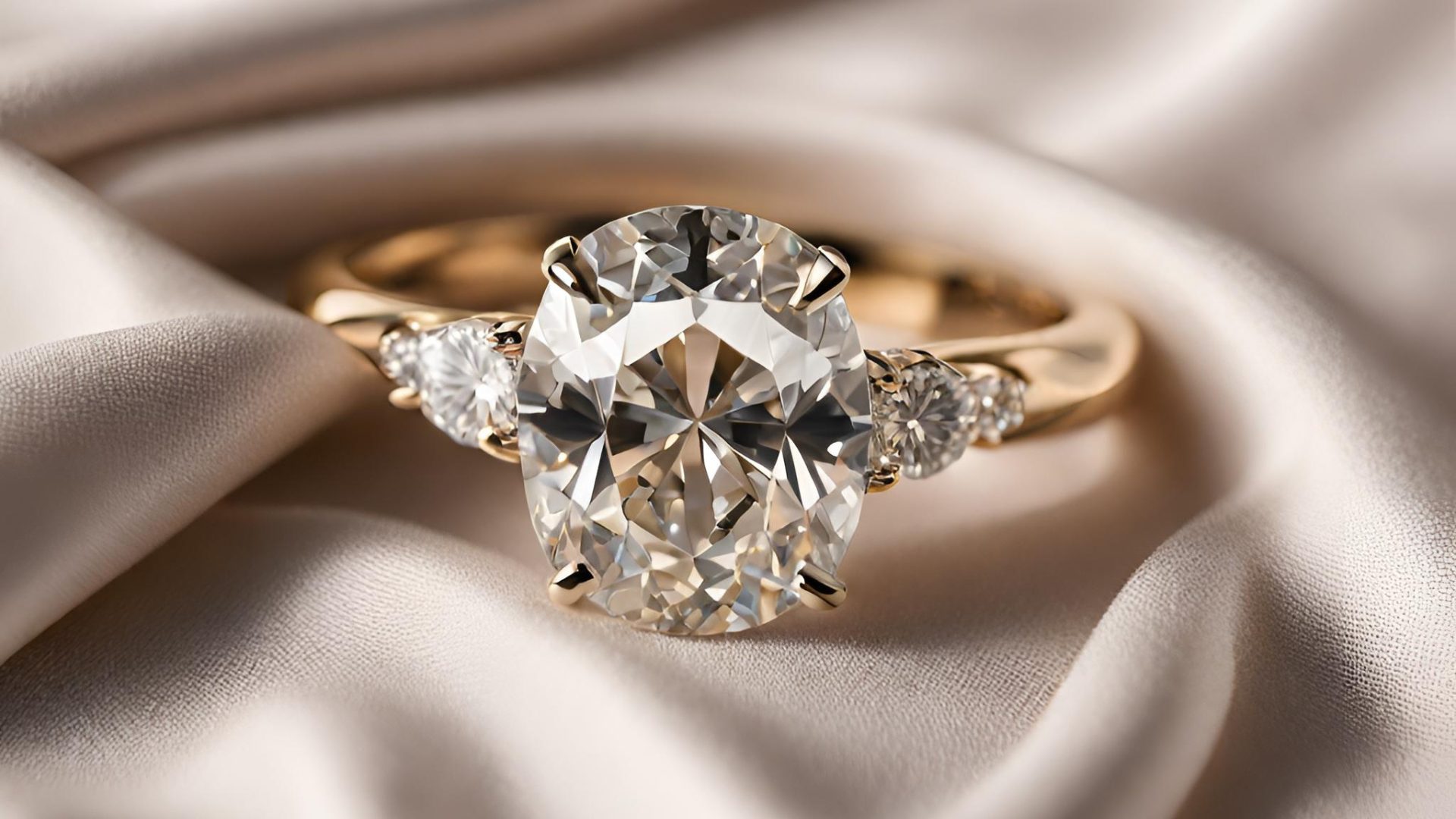

An emerald-cut diamond behaves differently from a round brilliant. Instead of scattering light through many small facets, its long, parallel steps create broad flashes and a distinctive hall-of-mirrors effect. That difference changes what deserves attention when comparing emerald engagement rings.
Carat weight still matters, but it should not dominate the decision. Clarity, outline, proportions, setting security and even wedding-band compatibility can have a greater influence on how the finished ring looks and feels.
For buyers in Singapore comparing designs online or through consultations, understanding those details before choosing a centre stone can prevent expensive compromises later.
The First Decision Is the Diamond’s Outline
Emerald-cut diamonds are rectangular, but two diamonds with the same carat weight can have noticeably different shapes.
Some appear long and slender. Others have a wider, more compact outline. This relationship is usually described through the length-to-width ratio.
There is no single ratio that everyone should choose. A longer outline can create a more elongated appearance on the finger, while a broader stone can feel more substantial from side to side.
Rather than selecting a diamond from measurements alone, compare its face-up shape visually. Ask yourself whether the corners, width and length look balanced together.
This matters because carat is a measure of weight, not visible size. A diamond carrying more of its weight below the surface may not appear as large from above as another stone of similar weight.
Clarity Deserves Extra Attention With a Step Cut
Emerald cuts reveal the interior of a diamond more readily than highly brilliant shapes.
Their broad, open facets do not disguise inclusions as effectively as the busy reflections of a round brilliant or radiant cut. This does not mean buyers must automatically purchase the highest clarity grade available.
The better goal is an eye-clean diamond: one where inclusions are not distracting during normal viewing.
Location matters too. A small inclusion near an outer edge may be less noticeable than one positioned beneath the large central table.
When comparing certified stones, examine:
- the clarity grade;
- the grading report’s inclusion plot, where provided;
- magnified photographs or video;
- the location and visibility of inclusions without magnification.
Paying several grades higher solely for a clarity label may offer little visual benefit if a lower-graded diamond already looks clean to the unaided eye.
Colour Can Look Different Across Metal Choices
The open structure of an emerald cut can make body colour easier to perceive than it is in some more brilliant cuts.
That makes the ring metal part of the diamond-selection decision.
Platinum and white gold create a bright, neutral frame and may make warmer colour within the stone easier to notice. Yellow gold offers a different visual relationship: the contrast between the diamond and warm metal can make slight warmth feel intentional rather than distracting.
A yellow-gold ring can also use white-metal prongs around the centre diamond if the wearer prefers less colour reflection near the stone.
For Singapore buyers ordering remotely, asking for photographs of the diamond beside the intended metal can be more useful than judging colour from a grading letter alone.
Step-Cut Performance Cannot Be Reduced to One Grade
Fancy-shaped diamonds are not always evaluated through a single cut grade in the same way buyers may expect from round brilliants.
With an emerald cut, visual inspection becomes particularly useful.
Look for balanced flashes that move across the stone as it turns. Areas that remain persistently dark or visually inactive may affect its appearance even when the measurements seem acceptable on paper.
Symmetry also matters. Because the design is geometric, uneven corners, an off-centre table or inconsistent step patterns can be easier to notice.
A grading report provides essential information about identity and quality characteristics, but photographs and video help answer another question: does this particular diamond actually look appealing?
Lab-Grown Origin Changes the Buying Equation, Not the Design Rules
Lab-grown diamonds have the same fundamental crystal material as mined diamonds, but their origin is different. They are produced in controlled environments rather than extracted from the earth.
That distinction does not remove the need to compare cut quality, colour, clarity, proportions and grading documentation.
For shoppers researching lab made diamonds, the useful comparison is therefore not simply whether a diamond is lab-grown. It is whether the individual stone has the appearance, documented characteristics and proportions that suit the intended ring.
A larger carat weight can be tempting, particularly when comparing lab-grown options, but an oversized centre stone with weak proportions or distracting inclusions may be less satisfying than a slightly smaller stone chosen more carefully.
The Setting Changes How the Emerald Cut Is Perceived
Emerald cuts have clipped corners that contribute to their architectural appearance. The setting should protect those corners without making the stone look boxed in.
Solitaire
A solitaire leaves the diamond visually exposed and keeps attention on its outline. It works particularly well when the centre stone itself has strong proportions.
Slim bands can make the diamond appear larger, although extremely delicate bands need sufficient structure for long-term wear.
Hidden Halo
A hidden halo sits below the centre stone rather than surrounding its face-up outline. It adds small diamonds from side views while preserving the clean rectangular look from above.
Check the height carefully. A high-set design may allow a straight wedding band to sit closer to the engagement ring, but it can also catch more easily during daily wear.
Three-Stone Setting
Tapered baguettes or smaller step-cut side stones complement the linear character of an emerald centre diamond.
Proportion is particularly important here. Side stones that are too large can compete with the centre, while very small ones may look visually disconnected.
Bezel Setting
A bezel surrounds more of the diamond’s perimeter with metal. It offers a smooth, secure profile and can suit someone who uses their hands frequently.
The trade-off is visual: more metal surrounds the diamond, changing the airy appearance associated with traditional prong settings.
Plan the Wedding Band Before Finalising the Ring
Wedding-band fit is easy to overlook during engagement-ring shopping.
Some low-profile emerald settings prevent a straight wedding band from sitting flush. A small gap is not inherently a problem, but buyers should know about it before ordering both rings.
If a flush stack matters, ask how high the centre setting sits and whether the basket leaves room for a straight band beneath it. Alternatively, a curved or contoured wedding band can follow the outline of a lower engagement-ring setting.
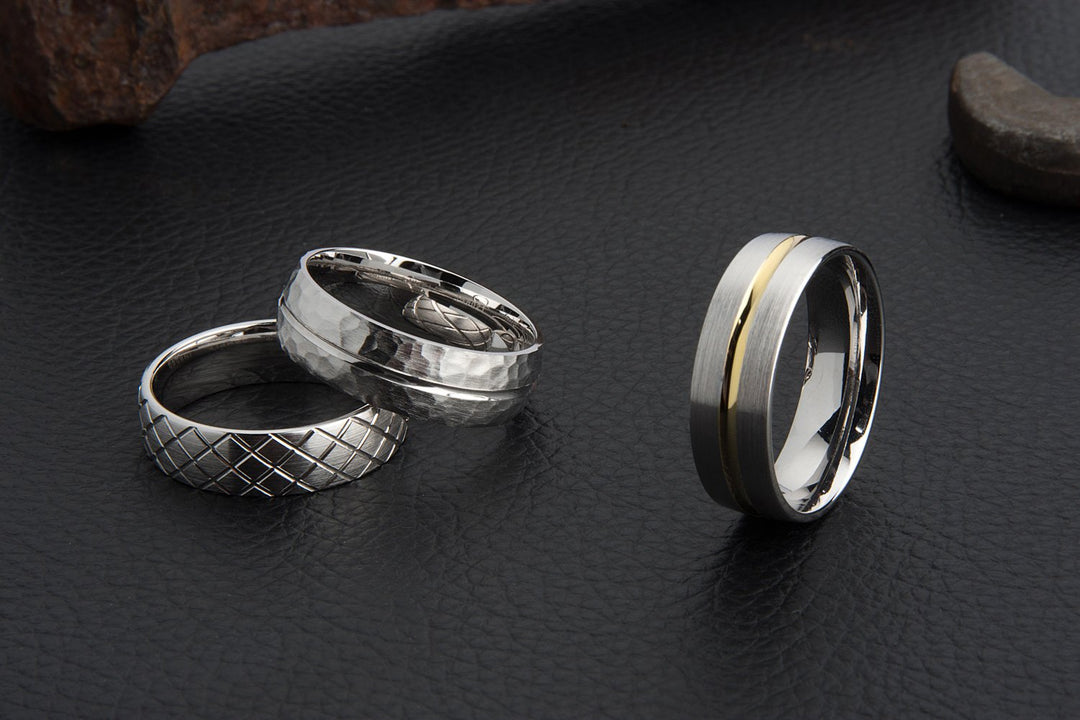
It is also worth considering band width as a pair rather than separately. A very slim engagement ring next to a substantially wider wedding band can change the proportions of the complete set.
Make the Final Comparison With the Finished Ring in Mind
The strongest emerald engagement ring is not automatically the one with the largest centre stone or highest specifications on paper.
Compare the diamond’s visible spread, clarity, colour, step pattern and outline alongside the setting that will actually hold it. Then consider how high the ring sits, how securely the corners are protected and how it will pair with a future wedding band.
For an online order in Singapore, confirm ring sizing, grading documentation, centre-stone measurements, setting dimensions and any resizing limitations before the ring enters production.
Those details connect the diamond certificate to the piece that will actually be worn every day—and that is where a careful comparison becomes most useful.