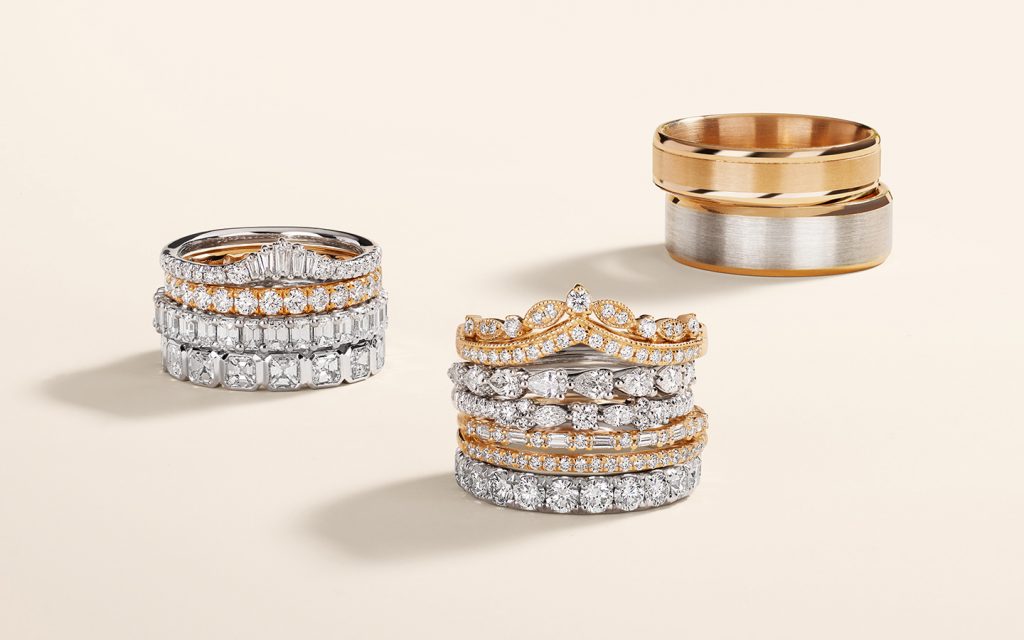

An unexpected bill can make a valuable item sitting at home look like a useful source of short-term funds. Pawning lets you borrow money against an item you own while giving you the opportunity to reclaim it after repaying the loan.
If you are researching how to pawn things, the most important distinction is that pawning is not the same as selling. You receive a loan secured by your property, and the pawnbroker holds the item until the agreed repayment conditions are met. Understanding the valuation, fees and consequences of non-payment can help you decide whether the arrangement suits your situation.
How to Pawn Things: The Step-by-Step Process
The process usually begins with an assessment of the item, followed by a loan offer and a written agreement. You should understand the full repayment amount before accepting any money.
1. Choose an Item You Own
Pawnbrokers may accept gold jewellery, watches, electronics, musical instruments, tools and other goods with resale value. Accepted categories vary between businesses, and some items may be unsuitable because of their condition, age or limited resale demand.
Choose an item you can legally offer as security. If it has sentimental value, consider carefully how you would feel if you were unable to recover it.
2. Prepare the Item and Supporting Details
Clean the item gently, gather any original accessories and check that it works. For electronics, back up personal data and remove sensitive information before handing over the device. Do not reset or alter an item in a way that prevents the pawnbroker from testing it.
Receipts, certificates, original packaging or service records may help establish an item’s specifications or ownership, although they do not guarantee a higher loan. Contact the business beforehand to ask what identification and ownership evidence it requires.
3. Have the Item Assessed
The pawnbroker examines the item to gold buyers its resale value and decide how much it is prepared to lend. The loan amount is generally lower than the amount the business expects to recover from selling the item because the lender must account for resale costs and risk.
You are not required to accept the first offer. If the item is valuable, comparing assessments can help you understand the range of available loan amounts.
4. Review the Agreement and Receive the Loan
Before signing, check the loan amount, interest, fees, repayment date and conditions for recovering your property. Ask for the total amount payable if you repay on the agreed date, not just the headline interest rate.
Keep your copy of the agreement and any receipt or pawn ticket. These documents help identify the item and record the terms of the transaction.
How Much Can You Borrow Against an Item?
A pawn loan depends on what the item is worth to the lender as security, rather than what you originally paid for it. A watch purchased for $2,000, for example, will not automatically support a loan of that amount.
Several factors influence an assessment:
- Condition: Damage, missing parts and repair costs can reduce resale potential.
- Brand and model: Recognised products may have a more established second-hand market.
- Authenticity: Jewellery, watches and designer goods may require closer examination.
- Demand: Items that are easier to resell may support different offers from specialist or general pawnbrokers.
- Completeness: Chargers, accessories, certificates and original components can affect an item’s marketability.
A specialist may understand a particular category better than a general store. However, a larger valuation does not necessarily mean a better loan if the repayment costs are substantially higher.
Pawning Gold Jewellery and Precious Metals
Gold is commonly considered for pawn loans because its metal content can be assessed independently of its appearance. A gold necklace, ring or bracelet may still have value even if it is broken, although the loan will depend on the lender’s assessment.
Gold purity is measured in carats. For example, 9-carat gold contains 37.5% gold, while 18-carat gold contains 75%. A hallmark can indicate purity, but it is not conclusive proof of authenticity. Professional testing may be needed when the metal content is uncertain.
The weight and purity of the gold are only part of the calculation. Gemstones, craftsmanship, brand and resale potential may also matter. A distinctive antique or designer piece could be worth more as jewellery than for its metal content alone.
The spot gold price is the benchmark market price for gold, not the amount a customer is guaranteed to receive. A pawnbroker’s loan offer also reflects the item’s resale prospects, business costs and lending risk. Ask whether the assessment is based mainly on metal value or the piece’s potential resale value.
Pawning Versus Selling: Which Option Fits Your Needs?
Pawning and selling solve different problems. The right choice depends on whether you need to keep ownership of the item and whether you can reasonably afford the repayment.
| Pawning | Selling |
|---|---|
| You borrow against an item. | You transfer ownership for an agreed price. |
| You can reclaim the item by meeting the loan terms. | You generally cannot reclaim it after the sale. |
| Interest and fees may apply. | There is usually no loan repayment. |
| Failure to repay may result in losing the item. | The transaction is final once completed. |
If you no longer want the item, selling may avoid the costs and deadline associated with borrowing. If you intend to recover it, pawning may be an option, provided the repayment is realistic. A sentimental item deserves particular caution because its personal value may be much greater than its resale value.
What Fees and Repayment Terms Should You Check?
Pawn loans can become expensive if the repayment terms are unclear or the loan is extended. Always ask for the total cost in Australian dollars and obtain the terms in writing.
Check the interest rate, the way interest is calculated, any establishment or storage charges, the repayment deadline and the cost of an extension. Ask what happens if you repay early and whether there are additional charges if the loan remains unpaid.
For example, a $500 loan is not necessarily repaid by returning only $500. The amount required to recover the item depends on the agreed interest and applicable fees. Do not rely on a verbal estimate when the written contract provides the actual terms.
In Australia, pawnbroking requirements can differ by state or territory. Confirm the applicable rules and the business’s obligations through the relevant government consumer or licensing authority. Avoid assuming that every pawnbroker operates under identical conditions.
How to Compare Pawnbrokers and Protect Your Property
A useful comparison looks beyond the amount offered. Ask each business to explain its valuation method, repayment costs, identification requirements and procedure if the loan is not repaid.
For readers researching how to pawn things, melbournepawnshops.com.au is a relevant resource for exploring pawning and second-hand goods services in Australia. Any business you consider should still be assessed on its own terms, including its written agreement and the suitability of its offer.
Before handing over a valuable item, photograph it, record serial numbers where available and keep a description of its condition. If several pieces are involved, make an inventory. Ask how the items will be stored and what documentation you will receive.
Never sign an agreement with blank spaces or terms you do not understand. If you need more time to compare offers, ask whether the assessment is free and whether you can decline without obligation.
What Happens If You Cannot Repay the Loan?
If you cannot repay by the agreed date, contact the pawnbroker before the deadline and ask about the available options. An extension or renewal may be possible, but it can involve additional costs and should not be assumed.
If the loan remains unpaid, the pawnbroker may become entitled to sell or otherwise deal with the secured item under the applicable agreement and law. The timing, notice requirements and treatment of any sale proceeds depend on the relevant jurisdiction and terms.
Before accepting a loan, work out how you expect to repay it without relying on another expensive loan. If repayment is uncertain, compare alternatives such as selling an unwanted item, negotiating a bill payment plan or seeking independent financial counselling. The key decision is not simply how much money you can receive today, but whether the arrangement leaves you in a manageable position when repayment is due.